Introduction: The Death of the Boxy Room
In 2026, home design is clearly shifting. For years, sharp corners and boxy layouts defined modern homes. However, that look now feels cold and stiff. Instead, homeowners are moving toward softer, more relaxed spaces. That is where the curved furniture living room layout 2026 comes in.
Right now, I am in the middle of moving, and honestly, I am applying these ideas in my own space. I started noticing how harsh straight lines felt after a long day. So, I began testing softer shapes, and the difference was immediate.
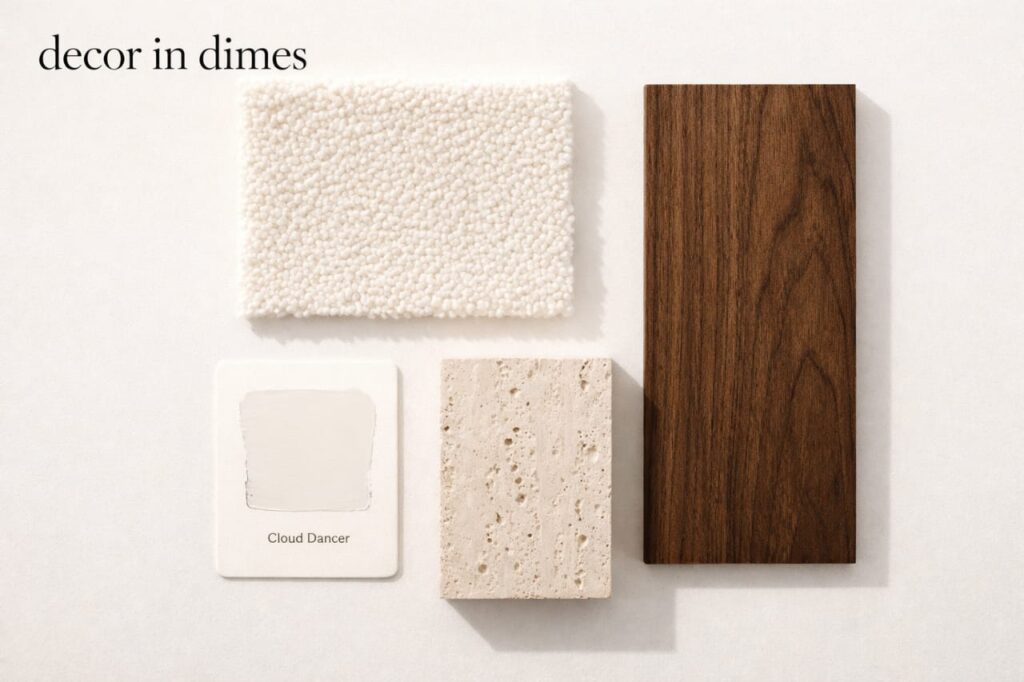
This new idea is called Fluid Living. It focuses on movement, comfort, and how a room feels, not just how it looks. Moreover, with 2026 interior design trends leaning toward organic lines and soft geometry, this style feels natural. Even Pantone’s soft tone, Cloud Dancer, pairs perfectly with curved pieces.
So, in this guide, you will learn how to build a curved furniture living room layout 2026 that feels calm, open, and easy to live in.
The Psychology of the Curve: Why Our Brains Crave Arches
First, let’s understand why curves feel better. Our brains react to shapes in subtle ways. Sharp edges often signal danger, even if we do not notice it. On the other hand, curves feel safe and welcoming.
Because of this, the curved furniture living room layout 2026 is not just about style. It connects to how we experience comfort. Furthermore, this idea ties into wellness-led design, which is growing fast in the US.
For example, when you walk into a room with rounded edges, your body relaxes. In contrast, too many straight lines can feel rigid. Therefore, curved sofas, round tables, and soft edges create what designers call sensory comfort.
Additionally, biophilic home design plays a role here. Nature rarely uses straight lines. Trees, rivers, and hills all flow. So, when your home follows that pattern, it feels more natural.
Mastering the Layout: The 2026 Conversation Island
Creating a Natural Anchor
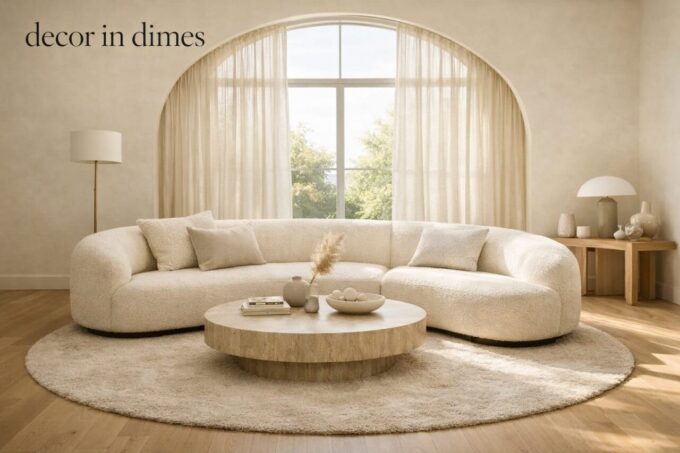
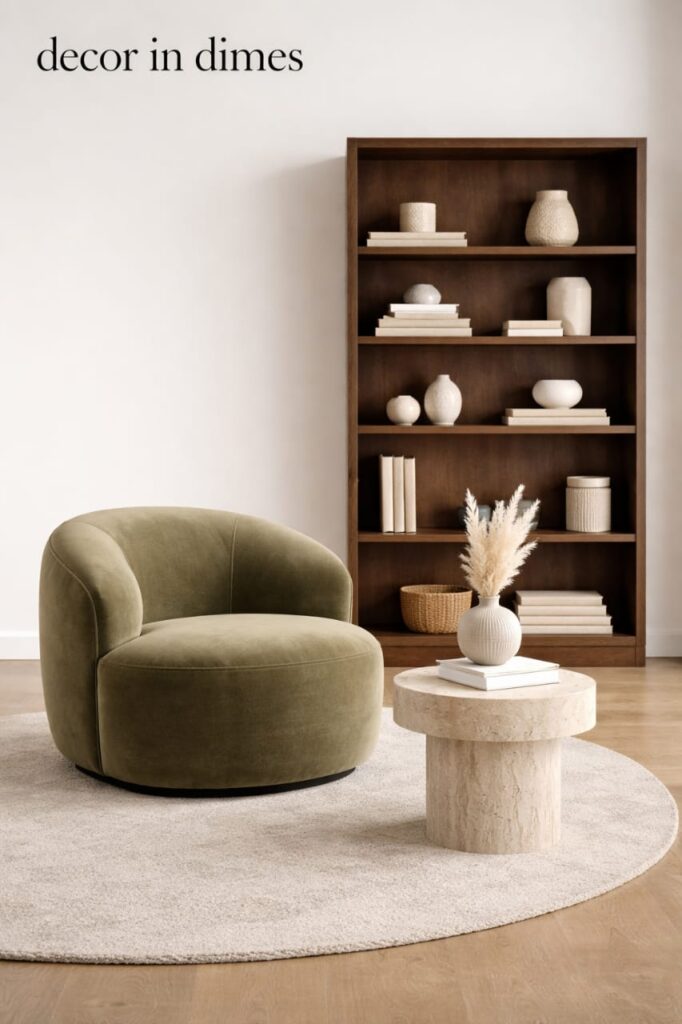
Now, let’s talk about layout. The heart of a curved furniture living room layout 2026 is what I call the conversation island. Instead of pushing furniture against walls, you bring it inward.
For instance, a curved sofa naturally forms a focal point. People sit facing each other, which makes the space feel social and warm. Moreover, this works especially well in open concept homes.
The 70 30 Rule
However, balance matters. If everything is curved, the room can feel confusing. That is why designers use the 70 30 rule.
Keep about 70 percent of your room structured with straight lines, like walls and shelving. Then, add 30 percent curved pieces. This keeps the curved furniture living room layout 2026 feeling intentional, not overwhelming.
Zoning with Flow
Furthermore, curves help define spaces without walls. For example:
- A round rug creates a soft boundary
- A circular coffee table anchors the seating area
- A curved sofa guides movement naturally
As a result, your living room feels open, yet still organized.
Small Space Hacks: The Wilson Rule for Circulation
Small spaces benefit the most from this trend. At first, it might seem like curves take up more room. However, the opposite is true.
Removing Dead Space
Traditional sofas create tight corners that often go unused. In contrast, a curved furniture living room layout 2026 removes those dead zones.
Because of the rounded edges, you can move around more freely. This makes the room feel larger without adding square footage.
Visual Continuity
Additionally, curved furniture keeps the eye moving. Straight lines stop your gaze, while curves guide it smoothly. Therefore, your space feels less cluttered.
When I tested this in my own apartment, I swapped a boxy chair for a rounded one. Immediately, the room felt lighter and more open.
Safety and Comfort
Moreover, curved furniture is safer. If you have kids or pets, sharp corners can be a problem. With softer edges, your home becomes more practical.
So, if you are working with a tight layout, the curved furniture living room layout 2026 is a smart choice.
Material and Texture: Pairing Curves with Modern Heritage
Soft Meets Strong
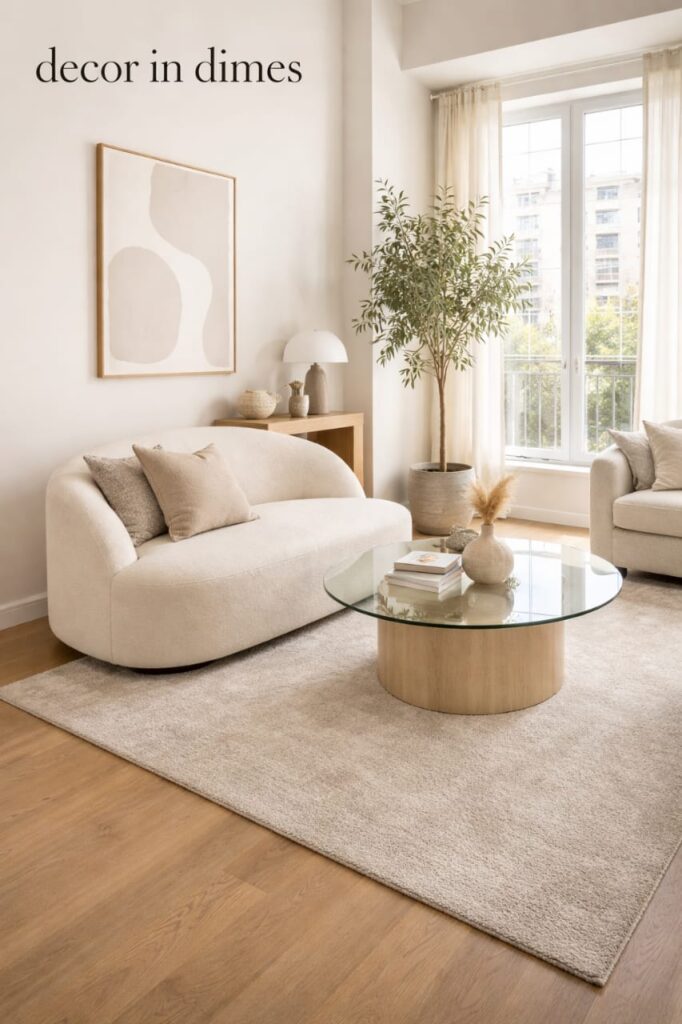
Curves alone are not enough. Materials matter just as much. In 2026, the focus is on mixing soft textures with strong elements.
For example, pair a curved sofa with:
- Bouclé fabric for warmth
- Washed linen for a relaxed feel
- Chenille for softness
At the same time, balance those with harder materials like walnut wood or stone.
Building Depth
Because of this contrast, your curved furniture living room layout 2026 feels layered and rich. Without it, the room might feel too soft or flat.
For instance, a rounded couch next to a stone coffee table creates visual interest. Similarly, a curved chair with a wooden base adds depth.
Keeping It Real
From my experience, this mix makes a space feel lived in. It does not look staged or overly perfect. Instead, it feels real and welcoming.
Budget Luxury Tips: Getting the Look for Less
You do not need a huge budget to try this trend. In fact, small changes can make a big impact.
The One Statement Secret
Start with one piece. For example, add a curved chair or an arched mirror. Even one item can shift your entire curved furniture living room layout 2026.
DIY Curves
Moreover, you can create curves yourself. Try peel and stick wall decals shaped like arches. These mimic built-in design without the cost.
Smart Shopping
Look for:
- Secondhand curved furniture
- Budget friendly accent chairs
- Simple round tables
Because of this approach, you can achieve a high end look without overspending.
Conclusion: Future Proofing Your Home
At the end of the day, the curved furniture living room layout 2026 is more than a trend. It reflects how people want to live now. Homes are becoming softer, calmer, and more focused on comfort. Get most of the other important tips at our living room layout category.
As I continue setting up my new space, I keep coming back to one idea. Flow matters more than perfection. A room should feel easy to move through and pleasant to sit in.
So, if you are updating your space, start small. Add one curve, then build from there. Over time, your home will feel more natural and more you.
Finally, share your favorite small space idea. I would love to hear how you are using curved design in your home.
FAQs
Does curved furniture work in small living rooms?
A: Yes! This is a common design myth. While bulky rectangular furniture can “block” sightlines and make a room feel boxy, rounded pieces actually create the illusion of more space. Because curved furniture lacks sharp corners, it allows for better “circulation” (the ability to walk around the room easily). This makes tight spaces in urban apartments feel much more fluid and open.
2. How do I mix curved furniture with my existing straight-lined decor?
A: The secret is the 70/30 Rule. For a balanced look, keep about 70% of your room’s lines straight (like your walls, bookshelves, and rectangular rugs) and introduce curves in the remaining 30% (like a curved accent chair, a round coffee table, or an arched mirror). This contrast creates “visual tension,” which makes your living room look professionally styled rather than messy.
3. Are curved sofas comfortable and practical for everyday use?
A: Absolutely. In 2026, the trend has shifted from “stiff” sculptural pieces to “sensory comfort.” Modern curved sofas are designed with deep seating and ergonomic support, making them perfect for lounging or family movie nights. Additionally, they are highly practical for families and pet owners because the lack of sharp edges reduces the risk of bumps and bruises in high-traffic areas.